
I’ve been with Shelterforce magazine since February 2016. Shelterforce is a nonprofit publication that covers the worlds of community development, affordable housing, and neighborhood stabilization. While most of my time is spent editing and planning our upcoming series and special events, I also continue to write when I can. Below is some of my work with Shelterforce:
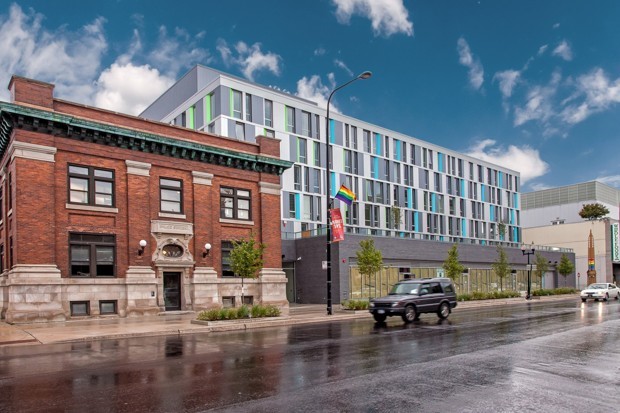 Affordable Housing for LGBTQ Seniors
LGBTQ seniors are more likely than peers their age to experience discrimination, leaving them more likely to be poor and have chronic health problems. What does it take to create affordable, LGBTQ-friendly senior housing? Read More
 From PETRA to RAD—The Path to Converting 140,000 Public Housing Units
More than $10 billion in private financing has been invested in public housing thanks to the Rental Assistance Demonstration (RAD) program. But housing advocates say it comes at a cost, and there still isn’t enough oversight of the program. Read More
 Tenant Power: Organizing for Rent Strikes and Landlord Negotiations
In the face of high rent increases and substandard housing, many tenants are realizing they are not alone in their landlord troubles and are joining together to push for building-level wins, and policy change. Read More
 How a Risk-Averse Hospital and a Risk-Taking CDC Built a Functional Partnership
Hospitals across the country have been taking steps to work with community-based organizations to address a major cause of poor health in neighborhoods: substandard housing. Shelterforce recently chatted with Angela Mingo, community relations director of Nationwide Children’s Hospital in Columbus, Ohio, and the Rev. John Edgar, the executive director of Community Development for All People, to learn more about their partnership, how it came to be, and to find out how others can form similar partnerships to help residents in their respective communities. Read More
 Will Limited-Equity Co-ops Make a Comeback?
Federal programs and cultural attitudes that helped launch a majority of the large limited-equity co-ops across the nation are long gone, but at a smaller scale, this model of resident-controlled, long-term affordable housing may be experiencing new interest. Read More
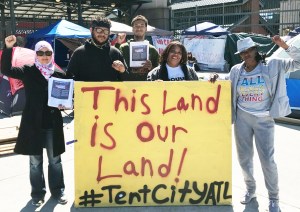 A Community Benefits Proposal Is Ignored. Is Displacement Far Behind?
Four historically Black neighborhoods in Atlanta are in the midst of an occupation of Turner Field—the former home of the Atlanta Braves. The organized resident groups have demanded, since 2013 when the baseball team announced it was leaving, to be considered and included in the planned development of 67 acres of commercial and housing on the land. So far, they’ve reported little to no luck in getting a community benefits agreement considered. Read More
 Exploring Foreclosure Through Art
Following the burst of the housing bubble in the late 2000s, millions of homeowners across the United States came face to face with foreclosure. Given that foreclosure is an emotional and often dramatic experience, it isn’t a surprise that some have turned to art to explore its aftermath. Read More
 Using Business as a Force for Good
B Corps are for-profit businesses that focus strongly on their social and environmental impact. The movement has grown to 1,800-plus worldwide and now cities, economic authorities, and activists are trying to attract more of these mission-driven and worker-friendly companies to help spur economic growth. Read More
 Challenging the Almighty Credit Score
Credit scores go hand in hand with buying a home, renting an apartment, or leasing a car. But as more and more companies begin to rely on that three-digit number for a bevy of purchases, including non-loan items such as insurance and utility rates, some are recognizing that those scores don’t tell the whole story. Read More
 Lillian M. Ortiz